What is social emotional learning (SEL)?
Social emotional learning is the process through which children learn to understand and manage their emotions, set and reach goals, feel and show empathy, build healthy relationships and make responsible decisions. It is not a subject on the timetable — it is in every lesson, every playground game and every dinner-table conversation.
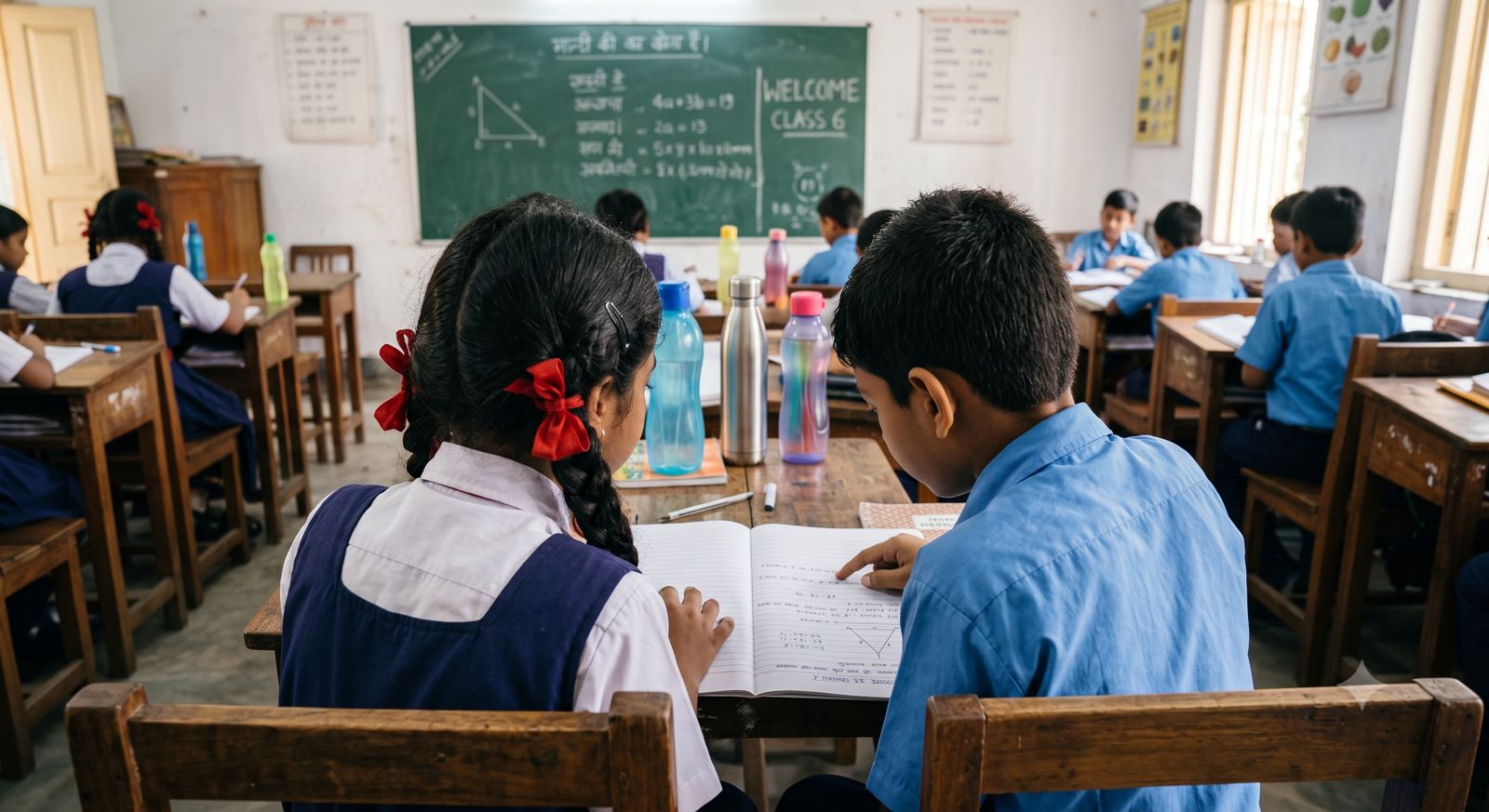
Five skills, one whole child.
The most widely used SEL framework, from CASEL, groups social and emotional skills into five areas. Our 12 measured skills map onto them.
Recognising your own emotions, thoughts and values, and how they shape what you do. Knowing your strengths and where you still need to grow.
Your child says “I’m nervous about the test” instead of refusing to go to school.
Managing emotions, thoughts and behaviour in different situations; staying motivated and working towards goals.
They start homework without five reminders, and stay calm when a game is lost.
Understanding the perspectives of others and showing empathy, including people from different backgrounds.
They notice a cousin is upset and ask what happened.
Building and keeping healthy relationships: listening, communicating clearly, cooperating and resolving conflict.
They take turns on the phone with a sibling without a fight — most days.
Making caring, honest and constructive choices, and thinking through the consequences.
They own up to the broken glass instead of blaming the cat.
SEL isn’t a soft extra. It is how learning sticks.
A child who can name a feeling can calm it. A calm child can concentrate. A child who can concentrate and get along with others has room to learn. The research backs what teachers see every day.
Focus, persistence and handling frustration are what turn effort into marks.
Children who understand others tease less, include more and solve conflicts with words.
Honesty, teamwork and self-management are what employers, colleges and families value for decades.
NEP 2020 put the whole child on the report card.
India’s National Education Policy 2020 calls for holistic development — cognitive, social, emotional and physical — and introduced the Holistic Progress Card (HPC), a 360-degree report that includes self-assessment, peer assessment and the teacher’s view, not only marks.
For the early years, the National Curriculum Framework for the Foundational Stage (NCF-FS) names socio-emotional development as a core domain for ages 3–8, and has been adopted across all states and union territories.
In February 2026, CBSE directed its schools to embed SEL in daily classroom teaching, train teachers in SEL and mental-health first aid, and keep annual records of this work — following the Supreme Court’s July 2025 guidelines on student mental health.
Yet the gap is real: a five-year study by the Centre for Science of Student Learning across 598 schools found social-emotional skill levels low in both government and private schools, with relationship skills the weakest area.
Schools are being asked to report SEL growth. A clear picture from home makes that conversation with the teacher far more useful.
What SEL looks like at every stage.
Pick your child’s stage to see what typically develops, one thing to try at home, and the test built for that age.
Children begin to name simple feelings, wait for a turn, share toys with help, separate from parents more easily and follow simple routines. Big feelings are normal — the skill is learning what to do with them.
Make a “feelings face” chart together. At bedtime, ask which face matched the day — and why.
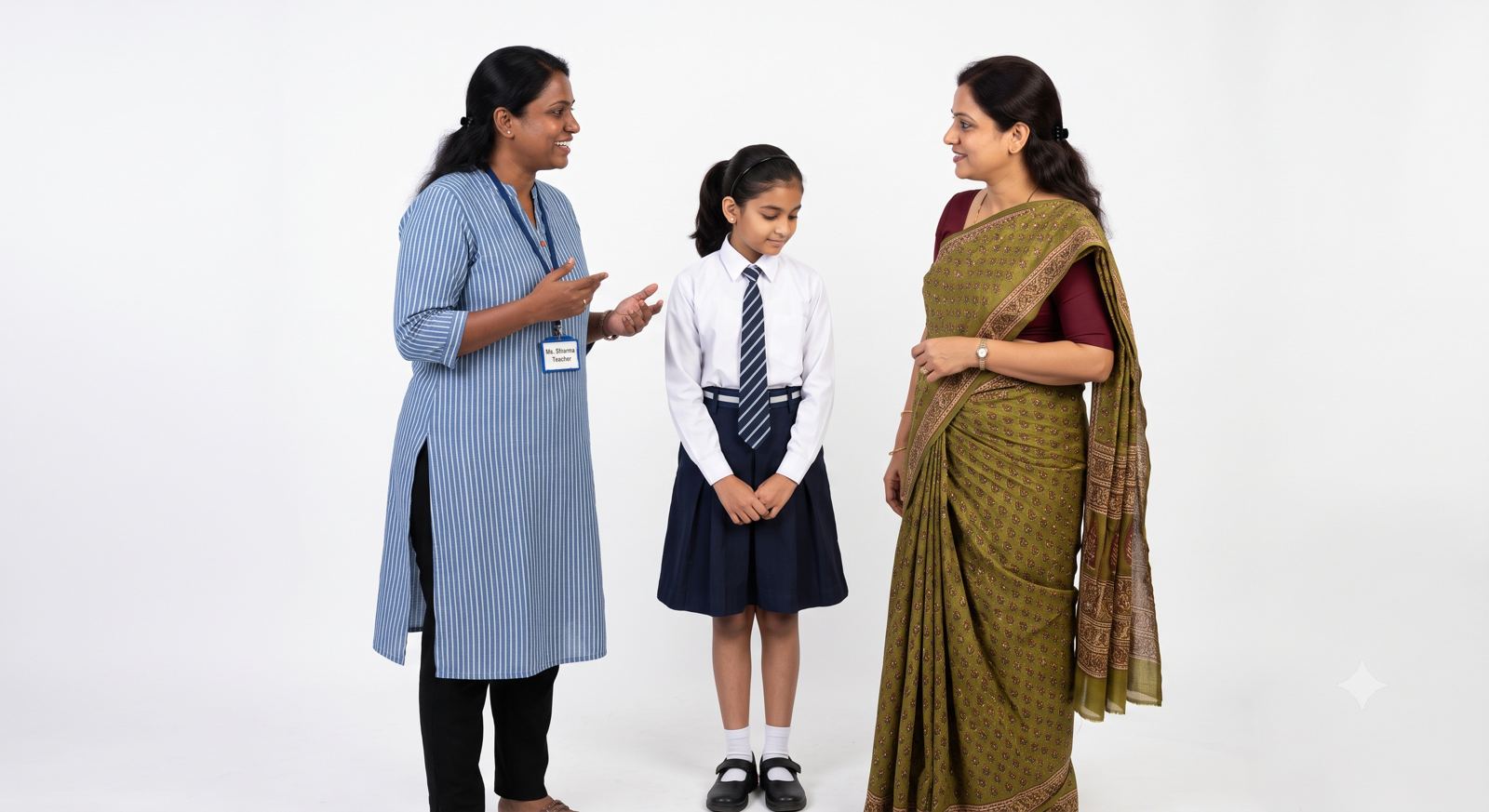
Yes — if you look from more than one side.
SEL can’t be captured in one number, but it can be described reliably when every skill is broken into behaviours you can see, and each behaviour is matched to a written description of where the child is today.
How they see themselves — Inner Strengths & Skills Test, Class 3–5 now (₹199), Classes 6–10 coming soon.
What you see at home — Parent View, coming soon.
What happens in class — observation on IMPACT, for schools.
That is the idea in our logo: three people, three perspectives, forming one pencil that writes one report.
Common questions about SEL.
They overlap. Emotional intelligence focuses on understanding and managing emotions. SEL is broader: it also covers relationships, responsible decision-making and values like honesty and respect — and it is something schools and families teach on purpose.
The Inner Strengths & Skills Test, for Classes 3–5. ₹199.